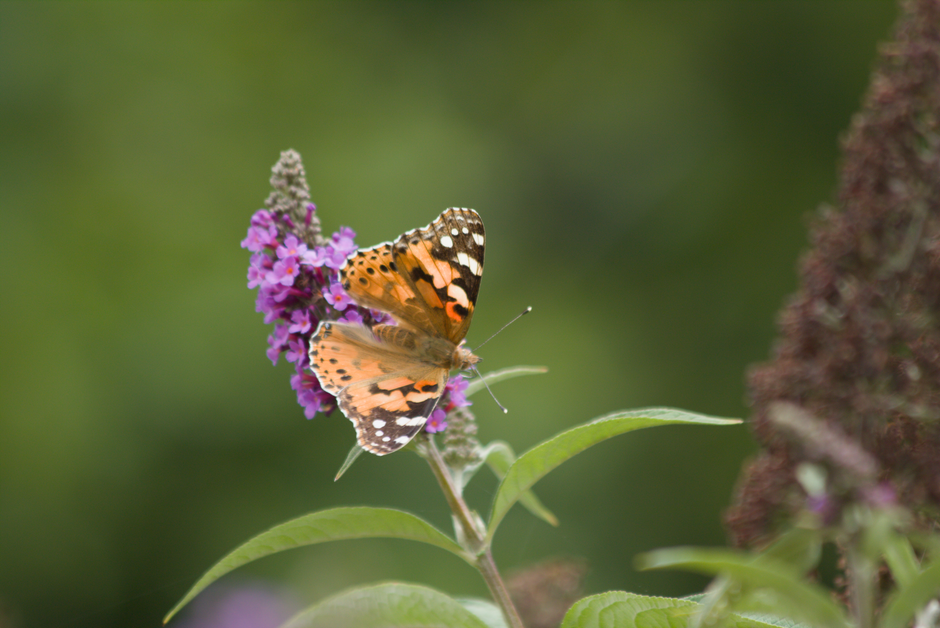
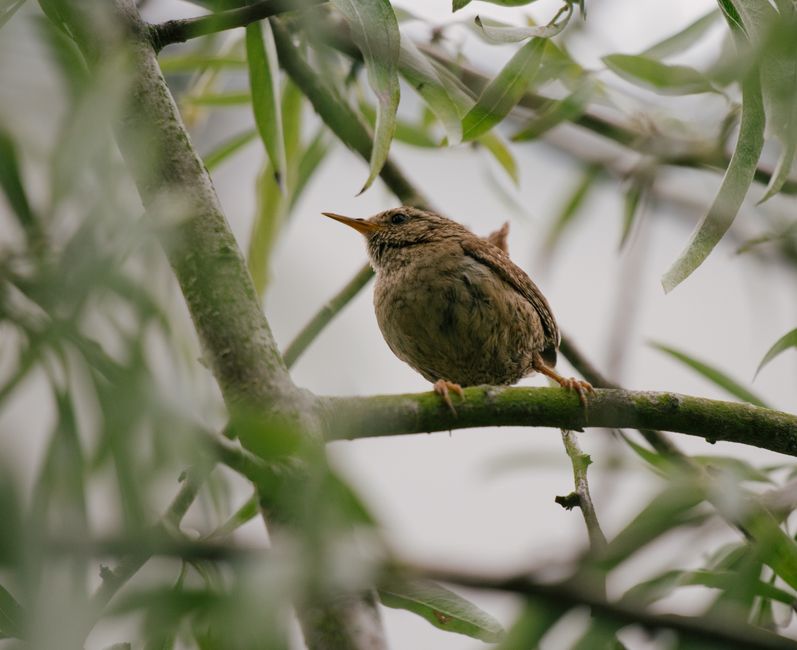
Erith Marshes gardeners for wildlife friendly back gardens
If you live near Erith Marshes, you already know the area has a particular feel to it: open skies, wetland edges, breezier weather, and a stronger sense that your garden is part of something bigger. That is exactly why Erith Marshes gardeners for wildlife friendly back gardens are in such demand. People want outdoor spaces that look good, stay manageable, and genuinely help local birds, pollinators, hedgehogs, and other small visitors. Not a messy jungle. Just a smarter, more natural garden that earns its keep.
Truth be told, wildlife-friendly gardening is often simpler than people expect. You do not need to turn the whole plot into a miniature nature reserve. You just need the right structure, the right planting choices, and a bit of patience. In this guide, we'll walk through what it means, how it works in real gardens, and what to ask for if you're trying to balance beauty, practicality, and biodiversity.
Whether your garden is a small terrace patch, a suburban lawn, or a more generous back garden, the same principles apply. And yes, they can be adapted to a tidy, modern look. You do not have to give up order to support wildlife. Far from it.
Why Erith Marshes gardeners for wildlife friendly back gardens Matters
Gardens around Erith Marshes sit close to a landscape that already has ecological value. That matters because local gardens can act as stepping stones for wildlife, helping connect green spaces in an urban area. If one garden offers nectar, shelter, water, and safe nesting spots, and the next one does too, small species can move through the neighbourhood far more easily.
For many households, the appeal is also practical. A wildlife-friendly garden can be less dependent on constant mowing, chemical treatments, and high-maintenance bedding displays. That does not mean "low effort" in the lazy sense. It means thoughtful work. Better structure, better planting, fewer pointless jobs. Let's face it, nobody really enjoys endlessly fighting bare soil or stressed-out shrubs.
There is also something quietly satisfying about it. You notice more. The first hoverfly on spring blossom. A robin flicking through leaf litter. The low hum of bees on a warm afternoon. Small things, but they change how a garden feels.
In a place like Erith, where gardens can be exposed to wind, varied soil conditions, and a mix of new and older planting styles, a wildlife-led approach often makes the whole space more resilient too. Plants that suit the local conditions tend to perform better, and a layered garden is usually more forgiving than a flat, all-lawn layout.
How Erith Marshes gardeners for wildlife friendly back gardens Works
The basic idea is simple: create a garden that gives wildlife what it needs while still working for the people who live there. That means food, shelter, water, movement routes, and a safe place to pause. The trick is to do it without making the space look neglected.
Good wildlife gardening usually starts with structure. A mix of trees, shrubs, perennials, grasses, and ground cover gives a garden more depth than a single layer of turf and pots. Different plants flower at different times, which spreads nectar availability through the seasons. Seed heads and evergreen cover then keep the garden useful in colder months. Nothing fancy. Just sensible layering.
It also depends on reducing unnecessary disruption. If everything is cut back too hard, too often, wildlife loses cover and nesting potential. If every corner is cleared, there is nowhere for insects to overwinter. On the other hand, if a space is left unmanaged in the wrong way, it can become awkward to use. The best gardens sit in the middle.
In practice, that usually means:
- choosing plants that support pollinators and birds
- leaving some stems, seed heads, and leaf litter in selected areas
- adding a water source, even a shallow one
- creating shelter with hedges, shrubs, or logs
- using mowing, pruning, and tidying in a more selective rhythm
There is also the local context to consider. A garden near the marshes may already attract more bird activity than a heavily built-up street a few minutes away. So the design should be flexible. Not every garden needs the same solution. That's the honest answer.
Key Benefits and Practical Advantages
Wildlife-friendly gardens bring a mix of visual, ecological, and day-to-day benefits. Some are obvious, some creep up on you after a season or two.
- Better biodiversity: More plant layers and varied flowering times help insects, birds, and small mammals.
- Improved garden resilience: Diverse planting tends to handle weather swings and pest pressure better than a monoculture lawn.
- Lower maintenance in the right places: A meadow-style strip or mixed shrub border can be easier to manage than weekly perfection.
- More seasonal interest: Spring blossom, summer pollinators, autumn berries, winter stems. It keeps going.
- Better privacy and softness: Hedges, tall grasses, and layered planting can screen overlooked gardens naturally. If you want a bit more seclusion, that can be done neatly, and yes, it can look good too.
- More family-friendly learning: Children tend to engage with gardens more when there's a birdbath, bugs in the borders, or a patch of native planting.
A practical advantage people sometimes overlook is mental ease. A garden that supports nature often feels calmer. It looks alive rather than staged. Even if you only sit out for ten minutes with a mug of tea, it can feel like the space is doing something for you, not the other way around.
Who This Is For and When It Makes Sense
This approach suits a wide range of homeowners and tenants, but it is especially useful if you:
- want a garden that is attractive without being high-maintenance
- care about pollinators, birds, and local wildlife
- have a small or medium back garden and want to make it work harder
- need privacy without building a harsh, overdone barrier
- are replacing tired lawn, patchy borders, or over-cleared paving
- want to refresh a garden without starting from scratch
It also makes sense if you are planning a larger garden update. For example, if you are already thinking about new borders, a hedge replacement, or a hard landscaping change, that is a good moment to bake wildlife-friendly decisions into the design rather than adding them later as an afterthought.
Some people assume this kind of garden is only for enthusiastic gardeners with time on their hands. Not really. In our experience, the most successful wildlife-friendly spaces are often the ones designed for ordinary busy lives. A family in Erith might want somewhere the kids can play, while still leaving a corner for planting and shelter. A retired couple might prefer low-fuss borders with year-round shape. Different needs, same principle.
Step-by-Step Guidance
If you're approaching this from scratch, start with a proper plan. A wildlife-friendly garden becomes much easier once you understand the existing conditions. Here's a sensible route.
1. Assess what you already have
Look at sunlight, shade, drainage, soil quality, and the way you actually use the space. Is it windy? Does water sit in one corner after rain? Do you have mature shrubs worth keeping? A quick survey now saves a lot of frustration later.
2. Keep the strongest structure
If there is an existing hedge, tree, or good shrub bed, keep it if possible. Mature planting often provides immediate value for wildlife and gives the garden a settled feel. Remove only what is overcrowded, diseased, or genuinely in the way.
3. Build layers instead of flat areas
Mix low growers, mid-height shrubs, and taller plants. A layered garden gives cover at different levels and looks richer visually. This is where a skilled local gardener can really help, because they can judge what will work in your specific space rather than forcing a one-size-fits-all scheme.
4. Choose planting with purpose
Go for plants that offer nectar, pollen, berries, or shelter. You do not need an encyclopaedia of Latin names. The simple rule is: pick a mix of native-friendly and well-behaved garden plants that flower across the year. Avoid filling the whole plot with showy but sterile plants that look great for two weeks and then do nothing.
5. Create a water point
A shallow bird bath, a small pond, or even a water dish refreshed regularly can make a real difference. Keep it safe and accessible. If you add a pond, make sure there is a gentle edge or escape route for animals that fall in. Basic stuff, but important.
6. Leave some habitat undisturbed
This is where the wildlife value really builds. Leave a patch of leaves, some seed heads, a bit of dead wood, or a small tucked-away log stack. It does not have to be visible from the patio. In fact, it usually works better if it is a little discreet.
7. Adjust your maintenance rhythm
Instead of tidying everything at once, work in sections. Cut back some plants in late winter, not all of them. Mow some grass paths and let other sections grow. The garden becomes more dynamic, but still manageable. And yes, the lawn can live a less dramatic life for a change.
8. Review after a season
Watch what happens. Are bees using the flowers? Are birds visiting the hedge? Is one area too dark, too dry, or too cluttered? A wildlife garden improves through observation. That's the part people skip, and then wonder why things feel off.
Expert Tips for Better Results
A few details can make the difference between a garden that merely looks "green" and one that genuinely works.
- Plant in drifts, not random dots. Repeated groups of the same plant are easier for pollinators to find and look more coherent.
- Use year-round structure. Evergreen shrubs, seed heads, and stems give the garden presence in winter, when many gardens fall flat.
- Keep one clean focal point. You do not have to let the whole garden go wild. A neat path, patio, or lawn edge helps everything feel intentional.
- Think in niches. Sunny dry spots, damp corners, shaded borders, and sheltered edges each support different wildlife.
- Use hedge and shrub planting smartly. A mixed hedge can provide cover, nesting opportunities, and privacy without looking like a wall. If privacy matters, this is often better than a hard fence alone.
- Feed the soil. Healthy soil supports healthier planting. Mulch, compost, and lighter cultivation often beat constant digging.
One thing we see often: people over-prune. They want neatness, so they cut back too early or too hard. Then spring arrives and the garden feels oddly bare. If you're unsure, trim less first. You can always tidy later. It is much harder to put habitat back once it's gone.
Also, try not to chase perfection. Wildlife gardening is a living system, not a showroom display. A slightly imperfect border can be far more valuable than a pristine one. And honestly, it usually feels more welcoming too.
Common Mistakes to Avoid
Some mistakes are surprisingly common, especially when people are trying to do the right thing in a rush.
- Removing too much at once: Clear-cutting a garden destroys cover and can leave you with a blank, harsh result.
- Choosing plants for looks only: A garden full of decorative but wildlife-poor plants may still look lovely, but it will underperform ecologically.
- Forgetting seasonality: If everything flowers at once, the garden is quiet for the rest of the year.
- Making maintenance too complicated: If the plan needs weekly specialist attention, it may not last.
- Using pesticide-heavy routines: These can undermine the very wildlife you are trying to support.
- Ignoring access and use: A garden has to work for people too. If the layout makes it hard to sit, move, or store things, the design needs refining.
Another subtle issue is crowding. People sometimes plant too densely because they want quick impact. But over time, overcrowding can reduce airflow, invite disease, and make maintenance awkward. Better to allow for growth. Plants do not stay the size they were in the pot. Annoying, but true.
Tools, Resources and Recommendations
You do not need specialist gear to make a good start, but a few reliable tools help keep things manageable.
- Bypass secateurs: Better for clean pruning on living stems.
- Hand trowel and border fork: Useful for planting and small-scale soil work.
- Long-handled loppers: Helpful for thicker stems and small branch work.
- Leaf rake: Good for gathering leaves into corners rather than stripping every last one away.
- Watering can or hose setup: Essential for getting new planting established.
- Mulch and compost: Support soil health and help reduce water loss.
If you are not sure where to begin, a sensible first step is a broader maintenance visit or a garden tidy-up plan before any major redesign. That gives you a clearer view of what is worth keeping and what can be changed.
For homeowners who want ongoing support, a combination of garden maintenance, selective planting updates, and occasional pruning tends to work better than one-off dramatic changes. If the garden needs a bigger reset, garden clearance can help create a clean starting point without losing sight of the long-term plan.
If your design is moving into wider reshaping, you may also want to look at landscape gardening or broader landscaping support. And if privacy is part of the brief, the right hedge work can make a big difference; a well-managed hedge trimming schedule keeps things tidy while preserving cover for birds.
It is also worth paying attention to sustainability. Reusing materials, composting green waste where appropriate, and choosing durable finishes all help reduce the garden's footprint. If that matters to you, the site's recycling and sustainability approach is worth a look.
Law, Compliance, Standards, or Best Practice
For most domestic gardens, the main concerns are not complex legal ones, but rather safe working practices, neighbour awareness, and sensible maintenance choices. If work involves trees, large hedges, boundary changes, or anything close to structures, it is wise to check what applies before starting. That is especially true in built-up London areas where access can be tight and shared boundaries can cause headaches if handled casually.
Best practice usually includes:
- making sure work is done safely, especially when using ladders, cutting tools, or equipment near hard surfaces
- being considerate with noise, access, and waste storage
- avoiding damage to boundary walls, fences, or neighbouring planting
- checking whether larger trees or major changes need extra care or advice
- using insured, competent help for more involved work
If you are hiring a team, ask how they approach safety, waste handling, and responsible disposal. A professional service should be able to explain this clearly without making it sound like a drama. A straightforward answer is usually a good sign.
You can also ask about health and safety policy and insurance and safety if you want reassurance before booking work. That is not being picky. It is sensible. If a company takes those basics seriously, the rest of the job tends to be calmer too.
Options, Methods, or Comparison Table
There is more than one way to create a wildlife-friendly back garden. The right choice depends on how much space you have, how much maintenance you want, and how natural you want the result to feel.
| Approach | Best for | Maintenance level | Wildlife value | Visual style |
|---|---|---|---|---|
| Wildflower-style border | Sunny spaces, front or back edges, pollinator focus | Medium | High | Loose, seasonal, informal |
| Layered mixed planting | Most back gardens, privacy and year-round structure | Medium | High | Natural but controlled |
| Small pond and shelter zone | Gardens needing a biodiversity boost | Low to medium | Very high | Quiet, tucked-away, natural |
| Neat lawn with wildlife edges | Families wanting play space and order | Low | Moderate | Clean, traditional, flexible |
| Privacy-led hedge and shrub layout | Overlooked gardens, boundary screening | Medium | High | Structured, soft, enclosed |
In many Erith gardens, the best answer is a blend. A tidy lawn or patio area for everyday use, then deeper planted edges, a hedge or two, and a discreet habitat corner. That gives you a garden that does not feel too wild, while still doing something useful for local wildlife.
Case Study or Real-World Example
Imagine a typical back garden near Erith Marshes: a rectangular lawn, a tired border against the fence, a couple of overgrown shrubs, and a patio that catches the morning sun. Nothing terrible. Just a bit flat and underused.
A sensible wildlife-friendly redesign might keep the patio and part of the lawn, then change the rest in stages. The fence line could be softened with a mixed shrub border and a few flowering perennials for seasonal colour. One corner could be left with denser planting and leaf litter for shelter. A small water feature, or even a simple bird bath, could be placed where it is visible from the house. A narrow mown path through a slightly wilder section would stop the space feeling untamed.
The result? The garden still has structure. It still works for family life. But it starts attracting more movement and more life. You notice bees first, then birds, then the fact that the place simply feels better to be in. That is often how it happens. Gradually, then all at once.
And the nice thing is, the design does not need constant reinvention. Once the bones are in place, it matures. That is the bit people often underestimate.
Practical Checklist
Use this quick checklist if you are planning a wildlife-friendly back garden around Erith Marshes.
- Do you know which parts of the garden get sun, shade, and wind?
- Have you kept any mature planting worth preserving?
- Is there a mix of heights and layers in the design?
- Have you included nectar, berry, or seed-producing plants?
- Is there some cover for birds, insects, or small mammals?
- Have you left at least one undisturbed habitat area?
- Is there a water source available?
- Does the garden still feel practical to use?
- Have you planned when and how maintenance will happen?
- Have you considered safety, access, and neighbour boundaries?
Quick takeaway: if the garden looks attractive, feels easy to use, and offers food and shelter through the year, you are already most of the way there.
Conclusion
Creating a wildlife-friendly back garden near Erith Marshes is not about making your space look untidy or giving up control. It is about designing with nature instead of against it. Done well, it gives you a garden that is calmer, richer, and easier to live with over time.
The best results usually come from a clear plan, a few good planting decisions, and maintenance that respects the seasons. Start small if you need to. Improve one border. Add one habitat corner. Rework one awkward bit of lawn. These changes add up, and they tend to feel more natural than one big dramatic overhaul.
If you want your garden to be both useful and genuinely alive, that balance is absolutely achievable. You do not need to choose between neat and nature. You can have both, and that's the lovely part.
If you are ready to turn your ideas into a practical plan, speak to a local team that understands both garden design and wildlife-friendly maintenance.
Get a free quote today and see how much you can save.
Frequently Asked Questions
What makes a back garden wildlife friendly?
A wildlife-friendly back garden provides food, shelter, water, and safe movement routes for local species. That usually means varied planting, some cover, seasonal flowers, and a less rigid maintenance routine.
Do I need a big garden to make a difference?
No. Even a small garden can support pollinators, birds, and insects if it has the right plants and a little shelter. Small spaces often benefit from layered planting more than large open lawns do.
Will a wildlife-friendly garden look untidy?
Not if it is designed well. A neat path, defined borders, and one or two tidy focal points can keep the space looking intentional while still supporting nature. It does not have to look wild in the messy sense.
How much maintenance does it need?
Usually less than a highly manicured garden, but the work is different rather than absent. You will prune, mulch, and manage growth more selectively, and you may mow or tidy in stages instead of all at once.
What plants are best for wildlife?
The best plants are those that offer nectar, pollen, berries, seed heads, or shelter across the year. A good mix of shrubs, perennials, and structural plants is generally more useful than a single type of planting.
Can I still have a lawn?
Yes. A lawn can work very well as part of a wildlife-friendly garden, especially if the edges are planted more richly and the mowing is not too intense. A balanced garden is often the best garden.
Is a pond necessary?
No, but water is a big help. A small pond, bird bath, or water dish can support more wildlife than a dry garden alone. If you do install a pond, make sure it is safe and accessible.
How do I make my garden more private and wildlife friendly at the same time?
Mixed hedging, layered shrubs, and taller planting can screen a garden naturally while also creating habitat. This is often better than relying only on fencing or hard barriers.
What should I avoid if I want to support wildlife?
Avoid heavy use of pesticides, over-clearing leaf litter, and cutting everything back too early. Also avoid planting only ornamental species that offer little value to insects or birds.
When is the best time to start?
Any time can work, but spring and autumn are often easiest for planting and reworking borders. That said, the right time is usually when you can plan properly and carry the changes through.
How do I know if the garden is actually helping wildlife?
Look for more insects, bird visits, signs of sheltering, and healthy plant growth. The change can be gradual, so give it a season or two before judging too hard. Nature tends not to hurry, which is mildly annoying but also kind of the point.
Should I hire professionals for this kind of project?
If the job involves larger changes, pruning, hedge work, clearance, or a full redesign, professional help is often worth it. A good local team can help you avoid mistakes and make the space work properly from the start.
For more practical ideas and local gardening guidance, you can also explore the site's services overview or browse the blog for related garden advice.