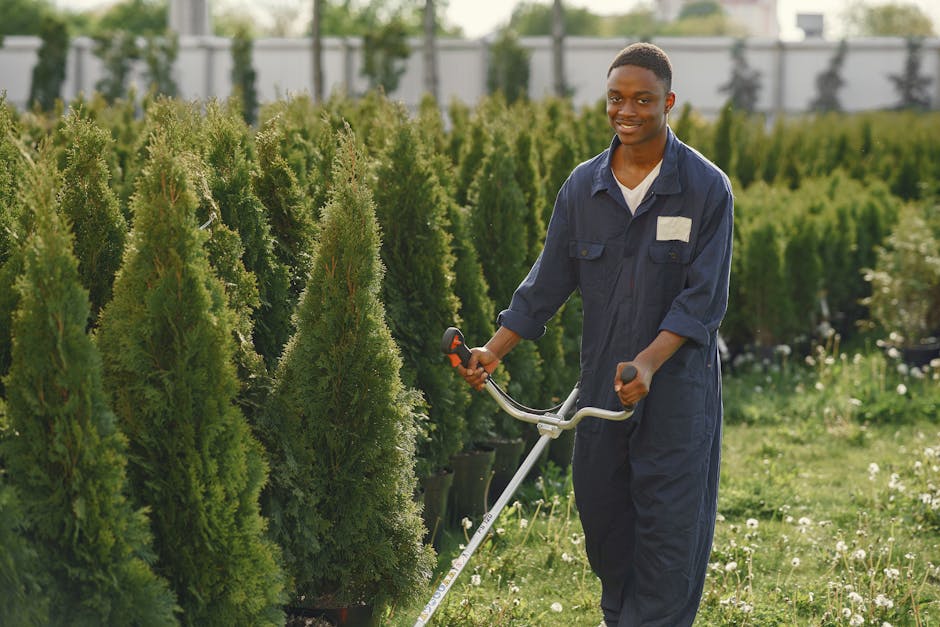
Garden maintenance near Erith Station top local gardener tips
If you are searching for garden maintenance near Erith Station, you are probably after something quite practical: a tidy outdoor space, healthier plants, fewer weekend chores, and a local gardener who understands what actually works in this part of London. That is the real job here. Not just cutting grass and leaving. Proper garden maintenance keeps everything moving in the right direction, whether you have a small courtyard, a front garden that collects leaf litter, or a bigger plot that needs regular care through the seasons.
Erith has its own rhythm. Damp spells, windy days, shaded corners near fences and walls, and the usual urban garden mix of paving, borders, pots and a lawn that can go patchy if ignored for too long. Truth be told, most gardens do not fail because of one big issue. They slip because of lots of small things left too long. This guide breaks that cycle down and gives you local, realistic tips you can actually use.
Below you will find what garden maintenance involves, how local gardeners approach it, what to watch out for, and how to get better results without turning the whole thing into a full-time job. And yes, there will be a few simple tricks that save a surprising amount of effort.
- Quick takeaway: steady maintenance beats occasional rescue work almost every time.
- Local point: gardens near stations, roads, and dense housing often need a bit more frequent upkeep because of shade, debris, and footfall.
- Best outcome: healthier planting, safer access, cleaner edges, and a garden that looks cared for even in the quieter months.
Table of Contents
- Why Garden maintenance near Erith Station top local gardener tips Matters
- How Garden maintenance near Erith Station top local gardener tips Works
- Key Benefits and Practical Advantages
- Who This Is For and When It Makes Sense
- Step-by-Step Guidance
- Expert Tips for Better Results
- Common Mistakes to Avoid
- Tools, Resources and Recommendations
- Law, Compliance, Standards, or Best Practice
- Options, Methods, or Comparison Table
- Case Study or Real-World Example
- Practical Checklist
- Conclusion
- Frequently Asked Questions
Why Garden maintenance near Erith Station top local gardener tips Matters
Garden maintenance is not just about appearance, although a neat garden does feel better the moment you step outside. It is also about plant health, safety, drainage, access, and keeping a manageable routine. Near Erith Station, many homes sit in a fairly busy local environment, so gardens can pick up litter, dust, broken twigs, moss, and seasonal debris quickly. If you leave that build-up too long, small problems start behaving like stubborn ones.
A local gardener tends to look at the garden as a living system, not a list of chores. For example, a lawn with poor airflow may need scarifying and careful mowing rather than more watering. A border with winter shade may need pruning and mulching, not just more plants. A path that turns slippery in wet weather may need clearing before it becomes an avoidable hazard. Simple enough, but easy to miss when you only glance at the space now and then.
There is also the long-game benefit. Regular maintenance usually protects the work and money already spent on planting, turf, paving, or garden furniture. Letting weeds seed, hedges overrun, or gutters and beds collect debris can cost more later. Not dramatic, just true.
And if you use your garden for family time, pets, entertaining, or just a quiet cup of tea after a commute, maintenance matters even more. A good outdoor space should feel usable, not like another job waiting for you.
How Garden maintenance near Erith Station top local gardener tips Works
Good garden maintenance starts with observation. A local gardener will usually walk the space first and look for what needs attention now, what can wait, and what is likely to become a problem soon. That first pass matters more than people think. You cannot maintain what you have not actually noticed.
Typical maintenance work may include mowing, edging, hedge trimming, weeding, deadheading, leaf clearance, pruning, lawn care, border tidying, pressure-sensitive cleaning around hard surfaces, and general waste removal. Depending on the season and the condition of the garden, it may also involve feeding plants, re-mulching beds, checking drainage, and reshaping overgrown areas.
Near Erith Station, timing can make a difference. A quick tidy in early spring is often not enough if the garden is fast-growing and wind-exposed. Likewise, in autumn, falling leaves and damp conditions can clog beds and create slippery paths in a matter of days. That is why many homeowners prefer regular visits rather than one big catch-up at the end of the month.
In practice, the work tends to follow a simple rhythm:
- Assess the garden: spot urgent issues, seasonal tasks, and any plant stress.
- Clear and tidy: remove visible debris, weeds, and dead material.
- Shape and maintain: mow, trim, edge, prune, and restore structure.
- Protect and improve: mulch, feed, water properly, and spot future risks.
- Finish cleanly: leave paths, patios, and borders neat, not half-done.
That last bit sounds obvious, but it is where a lot of people feel the difference. A garden should look finished, not merely worked on.
Key Benefits and Practical Advantages
There is a reason many local homeowners keep garden maintenance on a recurring schedule. It saves time, sure, but the stronger benefit is consistency. Plants respond well to regular care. Lawns recover better. Weeds are easier to control. And the garden becomes something you can enjoy without feeling guilty about the mess.
- Healthier plants: regular pruning and feeding help reduce stress and improve shape.
- Better lawn condition: mowing correctly, clearing moss, and treating patchy areas keeps turf more resilient.
- Safer access: clean paths, clear steps, and controlled growth reduce slip and trip risks.
- Less invasive weeding: smaller, regular weeding sessions are easier than battling deep-rooted takeover later.
- Improved curb appeal: this matters if you are selling, renting, or simply want the front of the house to look cared for.
- Lower long-term cost: maintenance is usually cheaper than heavy restoration work, especially with hedges, lawns, and established borders.
One of the quieter advantages is peace of mind. You know what is happening in the garden. You are not guessing whether that brown patch is a dry spell, compaction, or something pest-related. You are not staring out of the window thinking, "I really must sort that." Which, let's face it, is a familiar phrase for a lot of us.
Who This Is For and When It Makes Sense
Garden maintenance near Erith Station makes sense for a wide range of people. Some want a fully maintained garden all year. Others just need help with the heavier or more fiddly jobs. There is no single right answer, and that is kind of the point.
This is especially useful if you:
- work long hours and do not want weekend garden catch-up every week
- have an overgrown garden that needs bringing back under control
- have a lawn, hedges, or borders that need regular attention
- are preparing a property for sale or rental presentation
- have limited mobility or simply prefer not to do heavy outdoor work
- need seasonal help, such as autumn leaf clearance or spring reset work
- want a local gardener who understands the garden conditions common around Erith
It also makes sense if your garden has a mix of surfaces and planting. That is common in London homes: a bit of grass, a paved area, maybe a narrow side return, containers, and one or two beds that are forever competing with weeds. In those spaces, maintenance is not about grand redesign. It is about control, balance, and regular attention.
If you are only dealing with a few pots on a balcony or a tiny courtyard, you may not need full-service visits. But even then, a seasonal tidy and plant refresh can make a big difference. Tiny gardens, annoyingly, can look messy very quickly. Small space, big drama.
Step-by-Step Guidance
If you want a sensible maintenance routine, start simple. Do not try to fix everything at once unless the garden has really got away from you. A steady process works better, and it is less exhausting.
1. Start with a clean reset
Clear fallen leaves, broken branches, litter, dead plant material, and any obvious weeds. This reveals the real condition of the garden. You often notice problems only after the clutter has gone. A hidden patch of lawn disease, a blocked drain, or a border that is completely root-bound can be hard to spot beforehand.
2. Deal with the lawn properly
If you have grass, check the basics: mowing height, edge definition, moss, bare patches, and drainage. Cutting too short is a common mistake and one that causes needless stress. A lawn in a shaded or damp spot near fencing or buildings may need a higher cut and better airflow rather than harsher treatment.
3. Tidy the edges
Edges make a garden look cared for very quickly. Clean lines around beds, paving, and lawns give structure, even before you touch anything else. It is one of those jobs people underestimate. Then the whole place looks better for it. Funny how that works.
4. Prune with purpose
Pruning should be done with the plant, not against it. Remove dead, damaged, or badly crossing growth first. Then shape for airflow and balance. If you are not sure, it is usually safer to remove less than to hack away too much. Over-pruning can set a plant back for a season or more.
5. Weed before seeds spread
Regular weeding is much easier than waiting until roots deepen and seeds spread. In garden maintenance, timing saves energy. A quick half-hour session every so often often beats a whole day of regret. Mildly dramatic, yes, but accurate.
6. Feed, mulch, and water sensibly
Healthy soil gives better results than endless short-term fixes. A mulch layer can help hold moisture, reduce weed growth, and improve the feel of beds. Watering should be done with the weather and soil conditions in mind, not just by habit. Damp soil does not need more water because it is Tuesday.
7. Finish with a walk-through
Step back and look at the whole space. Is anything still awkward, messy, or unsafe? Are paths clear? Is waste removed? Is the garden balanced enough to feel finished? That final check is worth doing every time.
Expert Tips for Better Results
Here is where a local gardener's practical experience really helps. A lot of the best results come from small decisions made early, not from dramatic interventions later.
Expert summary: The best garden maintenance near Erith Station is usually regular, seasonal, and slightly conservative. Keep the garden moving forward, avoid overcutting, and deal with small issues before they become all-consuming jobs.
Tip 1: Match the work to the season. Spring is for reset, growth, and shaping. Summer is for control and watering. Autumn is for leaf removal, cut-back, and preparation. Winter is for inspection, structural pruning where appropriate, and avoiding damage from foot traffic on soft ground.
Tip 2: Let the garden tell you what it needs. Yellowing leaves, compacted soil, muddy patches, sparse grass, and awkwardly leaning growth all point to different issues. A single symptom may have several causes. That is normal.
Tip 3: Keep the borders breathable. When plants are crammed together, humidity rises, pests spread more easily, and the whole border gets messy fast. A little space is not wasted space. It is breathing room.
Tip 4: Use recurring visits for recurring problems. If your hedge keeps pushing into a path or your lawn keeps patching out, a one-off tidy will only partly help. Regular maintenance breaks the cycle.
Tip 5: Treat hard landscaping as part of the garden. Paths, edging, patios, steps, and fences all affect the feel and safety of the space. A tidy border with a grimy path still looks neglected. Harsh, but true.
Tip 6: Keep waste removal in the plan. A pile of clippings can undo the neatness you just created. Good gardeners think about the finish, not just the cut. You want the space left ready to use, not waiting for another clear-up.
Tip 7: Ask for the sort of maintenance you actually need. Some gardens need shaping and light upkeep. Others need a rescue visit and then a regular schedule. Be honest about the state of things. No judgement. Gardens get wild. It happens.
Common Mistakes to Avoid
Garden maintenance seems straightforward until it is not. A few common mistakes can make a lot of extra work later.
- Cutting lawns too short: this weakens grass, especially in dry spells or shaded areas.
- Pruning at the wrong time: some plants recover badly if trimmed when they should be left alone.
- Ignoring drainage issues: standing water, compacted soil, and moss often point to a deeper problem.
- Letting weeds set seed: this turns a small task into a bigger seasonal cycle.
- Using a single heavy clean-up each year: gardens benefit more from regular attention than rare heroic efforts.
- Forgetting corners and edges: mess often starts in the places you see least.
- Overloading borders with plants: overcrowding can create disease, poor growth, and constant tidying.
One subtle mistake is being too reactive. People often wait until the garden looks bad before acting. By then, the work is heavier and usually less satisfying. If you can spot the early signs, you stay in control.
Tools, Resources and Recommendations
You do not need a shed full of specialist gear to keep a garden in good shape, but the right basics make maintenance easier and faster.
| Tool or resource | What it helps with | Why it matters |
|---|---|---|
| Sharp secateurs | Pruning small stems and dead growth | Cleaner cuts are kinder to plants |
| Garden shears or hedge trimmer | Shaping hedges and topiary | Keeps growth controlled and even |
| Rake or leaf blower | Leaf clearance and debris removal | Useful in autumn and after windy days |
| Spade and hand fork | Weeding, edging, soil work | Good for borders and general tidy-ups |
| Lawn mower | Regular mowing | Essential for most grassed gardens |
| Mulch or compost | Soil improvement and moisture retention | Helps long-term plant health |
| Gloves and protective footwear | Safe handling of rough or thorny material | Small detail, big comfort difference |
In many gardens, a simple maintenance kit is enough for the homeowner, while a local gardener brings the more efficient kit and the judgment to use it properly. That distinction matters. A good tool used badly is just a noisy problem.
If you are choosing a gardener, look for someone who can explain their process clearly. You want practical answers, not vague promises. They should be able to tell you what will be done, how often, and what the likely priority areas are in your garden.
Law, Compliance, Standards, or Best Practice
For routine garden maintenance, there is usually no complicated legal process to worry about. Still, there are sensible UK best practices worth keeping in mind. Waste should be disposed of responsibly, and any garden rubbish should be handled in line with local waste rules and accepted green waste practice. If a gardener is taking material away, it is reasonable to ask how that is managed.
Noise and timing also matter in residential areas. Hedge cutting, lawn mowing, and powered tools are normal, but it is considerate to keep to sensible hours. That is especially relevant around homes near transport links and denser housing, where sound carries more than people expect.
If trees are involved, there may be extra considerations around ownership, pruning limits, or protected status. In those cases, it is best to proceed carefully and seek the right advice before cutting back heavily. Better cautious than sorry. Tree work, in particular, is one area where "it looked simple at the time" can become an expensive sentence later.
From a best-practice point of view, a good gardener should work safely, leave the site tidy, and avoid damaging planting, fences, paving, or boundaries. If you are comparing providers, ask how they handle waste, access, and delicate plants. Those questions are not fussy. They are sensible.
Options, Methods, or Comparison Table
Different gardens need different levels of maintenance. Choosing the right approach saves money and avoids over-servicing a small space or under-caring for a larger one.
| Approach | Best for | Pros | Trade-offs |
|---|---|---|---|
| One-off tidy-up | Overgrown or neglected gardens | Fast visible improvement | Needs follow-up to stay neat |
| Weekly or fortnightly maintenance | Busy family gardens, lawns, and borders | Consistent results, less build-up | Higher ongoing commitment |
| Seasonal visits | Lower-maintenance gardens | Good for spring, summer, autumn reset | Less control between visits |
| DIY plus occasional professional help | Confident homeowners with some time | Cost-effective and flexible | Easy to let the routine slip |
For many Erith homes, the mixed approach works best. You might handle light watering, pot care, and a small amount of deadheading yourself, while booking a local gardener for pruning, hedge work, lawn care, and seasonal clear-ups. It is a sensible split. No drama, just balance.
Case Study or Real-World Example
A typical local example: a front and back garden with a narrow lawn, a few shrubs, one hedge, some paving, and two borders that had been left alone for a couple of months. Nothing extreme, just the kind of garden that slowly drifts from tidy to slightly chaotic. The owner wanted it presentable again without starting from scratch.
The first visit focused on clearing leaves, cutting back overgrown edges, removing weeds, and identifying what was actually salvageable. The lawn needed a gentler cut rather than a severe one, because it had already been stressed by patchy shade. The hedge had grown unevenly and was leaning into the path, so that was reshaped carefully. The borders needed a light prune and some spacing out, not a hard reset.
By the end, the garden looked visibly calmer. That is the best way to describe it. Cleaner lines, easier movement, healthier-looking plants, and a space that felt usable again. The owner did not need a full redesign. They needed a maintenance rhythm. A small difference, but it changes everything.
That kind of result is common when the work is done consistently rather than aggressively. Gardens usually respond better to steady hands than last-minute heroics. Fancy that.
Practical Checklist
Use this checklist before or after a maintenance visit to keep things on track:
- Grass cut to an appropriate height for the season
- Edges trimmed cleanly around paths, beds, and borders
- Weeds removed before they flower or seed
- Hedges and shrubs shaped without overcutting
- Dead, damaged, or diseased growth cleared away
- Leaves and garden debris fully removed
- Paths, patios, and steps left safe and clear
- Border soil checked for dryness, compaction, or mulch needs
- Waste collected and disposed of properly
- Any follow-up jobs noted for the next visit
If you want the garden to stay under control, repeat the checklist regularly. Not obsessively. Just often enough that the garden never gets the upper hand.
Get a free quote today and see how much you can save.
Conclusion
Garden maintenance near Erith Station is really about keeping your outdoor space useful, healthy, and pleasant to live with. The best local gardener tips are usually the simplest ones: stay regular, work with the season, avoid overcutting, and deal with small issues before they turn into bigger ones. That approach is less stressful, cheaper in the long run, and far more satisfying when you step outside and everything just feels sorted.
If your garden has started to look a little tired, do not wait for the perfect weekend or the perfect mood. Start with one clear job, then another. Gardens have a way of coming back when you give them the right kind of attention. And honestly, that first finished patch of order is a lovely feeling.
Sometimes that is all it takes: a clean edge, a healthy lawn, and a garden that feels like yours again.
Frequently Asked Questions
How often should garden maintenance be done near Erith Station?
It depends on the size of the garden and how fast it grows, but many gardens benefit from fortnightly or monthly upkeep during the growing season. Smaller or lower-maintenance spaces may only need seasonal visits. If your lawn, hedges, or borders grow quickly, a regular schedule usually keeps things easier.
What does a local gardener usually include in maintenance work?
Typical work includes mowing, edging, weeding, hedge trimming, pruning, leaf clearance, border tidying, and general waste removal. Some gardeners also handle seasonal planting, mulching, and light lawn care. The exact scope should always be agreed in advance so there are no surprises.
Is one-off garden maintenance enough?
One-off work can make a huge difference if the garden is overgrown or messy, but it usually does not stay neat for long without follow-up. Think of it as a reset rather than a solution. For long-term control, a regular plan is usually better.
Can garden maintenance help improve a tired lawn?
Yes, often it can. Proper mowing height, edge care, aeration, moss reduction, and patch repair can all improve the look and health of a lawn. If the lawn is badly shaded, compacted, or waterlogged, though, maintenance may need to be paired with a more targeted fix.
What is the best time of year for garden maintenance?
Every season has its own jobs. Spring is usually ideal for clearing winter debris and encouraging growth, summer for control and watering, autumn for leaf management and cut-back, and winter for structural tidying. The best time depends on what the garden actually needs.
How do I know if my garden needs professional help?
If tasks are piling up, the garden is becoming unsafe or hard to manage, or you simply do not have the time or tools, professional help makes sense. It is also useful if you are not sure how to prune, what to cut back, or how to handle a lawn that is not recovering well.
Do I need regular visits or just seasonal visits?
Regular visits suit gardens that grow quickly, have a lawn, or need to look tidy all the time. Seasonal visits work well for lower-maintenance spaces or for homeowners who like to do some jobs themselves. A mix of both can work very well, to be fair.
What should I ask a gardener before booking?
Ask what is included, how often the work is recommended, whether waste removal is part of the service, and how they handle delicate plants or larger jobs. It also helps to ask what they would prioritise first if the garden has not been maintained for a while.
Are there any safety issues to watch for in garden maintenance?
Yes. Slippery paths, uneven paving, thorny plants, unstable fences, and heavy lifting can all cause problems if ignored. A good maintenance routine reduces these risks, especially in wet weather. Safe access matters more than people sometimes think.
Can garden maintenance be done in small urban gardens too?
Absolutely. Small gardens often need even more frequent attention because clutter and weeds show up quickly. The jobs may be simpler, but they still benefit from regular care: edging, pruning, sweeping, deadheading, and keeping containers in good shape.
What is the difference between garden tidying and garden maintenance?
Tidying is usually a one-time clean-up: removing debris, cutting back growth, and making the space look neat. Maintenance is ongoing care that helps the garden stay in good condition over time. One is a snapshot, the other is the routine behind it.
How do I keep costs under control?
Clear priorities help. If you know which tasks matter most, a gardener can focus on the work that gives the best result first. Regular maintenance can also reduce bigger restoration costs later, which is often where the real savings come from.
Whether you want a fresh seasonal tidy or ongoing garden care, the best next step is usually the simplest one: get the garden assessed properly and build a routine that suits how you actually live. A well-kept garden does not need to be perfect. It just needs steady attention and a bit of local know-how. That's enough, really.