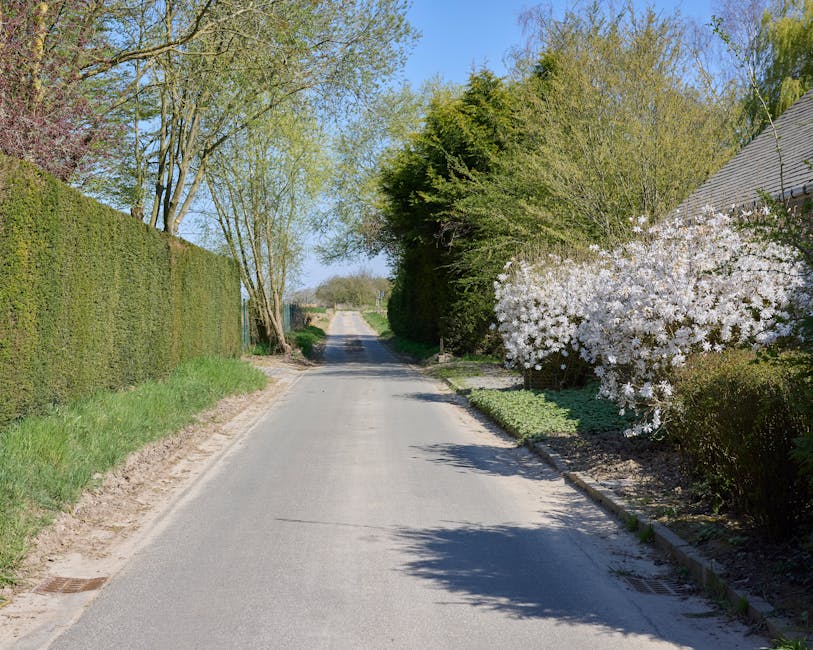
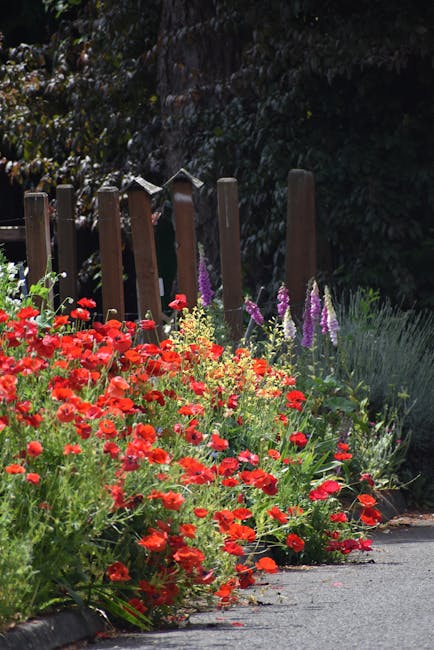
The Broadway Erith gardeners for kerb appeal and pruning
If your front garden has started to look a bit tired, you are not alone. A hedge that has gone shaggy, a tree casting heavy shade, or a driveway border full of uneven growth can make a property feel less cared for than it really is. That is where The Broadway Erith gardeners for kerb appeal and pruning come in: a practical, focused approach to making the front of your home look sharper, cleaner, and better balanced without turning the garden into something overworked or unnatural.
In plain terms, kerb appeal is what people notice first from the street. Pruning is one of the main tools for shaping that first impression. Done well, it improves the look of a property, helps plants stay healthy, and reduces the sort of untidy growth that can make a small front space feel cramped. This guide walks through how it works, who needs it, what good results look like, and the common mistakes worth avoiding.
For broader support, you may also find it useful to look at the services overview, especially if your front garden needs more than a tidy-up and edging. If the whole space has become overgrown, garden clearance and regular maintenance can sit neatly alongside pruning work.
Table of Contents
- Why The Broadway Erith gardeners for kerb appeal and pruning Matters
- How The Broadway Erith gardeners for kerb appeal and pruning Works
- Key Benefits and Practical Advantages
- Who This Is For and When It Makes Sense
- Step-by-Step Guidance
- Expert Tips for Better Results
- Common Mistakes to Avoid
- Tools, Resources and Recommendations
- Law, Compliance, Standards, or Best Practice
- Options, Methods, or Comparison Table
- Case Study or Real-World Example
- Practical Checklist
- Conclusion
- Frequently Asked Questions
Why The Broadway Erith gardeners for kerb appeal and pruning Matters
Front gardens do a lot of silent work. They frame the house, set the tone for visitors, and affect how tidy and cared for a property feels at a glance. On a busy road or a well-used local street, the front of the house may be seen far more often than the back garden. So if the planting is leggy, the hedge is leaning out, or the shrubs block the windows, the whole property can lose that crisp, welcoming feel.
That matters for homeowners, landlords, and anyone preparing a place for sale or rent. It also matters for everyday life. A front boundary that is too dense can restrict light. A tree that is allowed to sprawl can make the entrance feel cramped. And a garden that has drifted out of shape often starts small problems, then bigger ones. A few missed cuts here, another season there, and suddenly everything feels harder to manage. Truth be told, that happens more often than people expect.
Good pruning is not just about "cutting things back". It is about shaping growth so plants still look natural, but neater. It means removing dead, damaged, or crossing stems, opening up crowded areas, and encouraging healthier regrowth. For kerb appeal, that balance is everything. Too much cutting looks harsh. Too little leaves the space looking neglected.
In a local setting, especially around mixed residential streets, the best front gardens are usually the ones that look calm and intentional. Not flashy. Just tidy, balanced, and alive.
How The Broadway Erith gardeners for kerb appeal and pruning Works
The work usually starts with a quick assessment of what is actually causing the visual problem. That might be a hedge that has grown too wide, a shrub that has collapsed outward, or a small tree canopy that is blocking the front path. A good gardener looks at the whole picture, not just the most obvious branch in the way. That's the trick, really.
From there, pruning is planned around the plant type and the result you want. Some plants respond best to light shaping. Others need selective removal of older growth. Soft pruning on ornamental shrubs is very different from crown thinning on a tree or a hard reset on an overgrown hedge. The point is to improve structure and appearance without shocking the plant.
Kerb appeal work usually includes more than pruning alone. The front garden often benefits from edging, lawn care, weed removal, and a quick reset of borders. If the grass is patchy or too long, lawn mowing can make a surprising difference. If boundary hedges are the issue, hedge trimming is often the most direct fix.
Here is the simple workflow most people can understand:
- Inspect the front garden and identify the overgrown or untidy areas.
- Decide which plants need shaping, thinning, reduction, or removal of dead material.
- Prune in a way that suits the season and the plant's growth habit.
- Clear away cuttings so the space looks clean, not half-finished.
- Finish with edging, sweeping, and a final check from the street view.
The street view part matters more than people think. If you stand on the pavement and the whole frontage reads as clean and well-framed, the job has probably worked. If you can only see bits of pruning without the overall effect, it still needs a bit of polish.
Key Benefits and Practical Advantages
The most obvious benefit is visual. A neat frontage makes the house look better cared for. But good pruning and kerb appeal work do more than improve appearances. They can change how the whole property feels.
- Better first impression: Useful if you are welcoming guests, preparing to sell, or simply want the house to look looked-after.
- More light: Opening up overgrown planting can reduce shade at windows and entrances.
- Healthier growth: Removing dead or crowded stems helps plants channel energy more effectively.
- Safer access: Fewer low branches and fewer plants spilling across paths make entrances easier to use.
- Clearer structure: Pruning helps shrubs, hedges, and small trees keep a more balanced shape.
- Lower maintenance pressure: Once the front garden is reset, it is much easier to keep on top of it.
There is also a subtle commercial benefit. A well-kept frontage can support viewings, valuations, and the general sense that a property has been properly maintained. It will not do the whole job on its own, obviously, but it helps. A lot.
One thing people often notice after a tidy pruning session is that the garden seems bigger. That is not magic. It is just better sightlines and less visual clutter. The same square footage, but it breathes more.
Who This Is For and When It Makes Sense
This kind of gardening service is useful for a broad range of people, but the reasons vary.
Homeowners often want a smarter entrance, especially if the front garden has got away from them over a season or two. If the hedge is brushing the path or the shrubs have lost shape, pruning can restore order quickly.
Landlords and property managers may need a front garden that looks presentable with minimal fuss. That is especially true where tenant visits, inspections, or lettings are involved. A tidy frontage can reduce complaints and give a more professional feel.
People preparing to sell usually want the front of the property to look crisp without a full redesign. In those cases, simple pruning and cleanup can be more effective than expensive landscaping. Sometimes the best move is just to make the existing garden look its best.
Busy households benefit too. If you do not have the time, tools, or confidence to prune properly, getting help can save a lot of hassle. To be fair, not everyone wants to wrestle with a hedge cutter on a Saturday morning.
It makes sense when you notice any of these signs:
- shrubs blocking windows or pathways
- hedges pushing outward into the pavement line
- plants looking tangled, sparse, or woody
- front borders appearing messy from the road
- the garden feeling darker than it should
- you are tired of "doing a bit here and there" without getting a proper result
If the issue is more widespread than pruning alone can solve, a blend of maintenance and reshape work may be better. Some gardens need broader rejuvenation through landscape gardening or selective landscaping rather than a quick trim. That depends on the site, not the sales pitch.
Step-by-Step Guidance
If you want the front of your garden to look better, here is a practical way to approach it.
1. Start at the pavement
Stand where a visitor would first see the property. Look at height, width, symmetry, and clutter. What catches your eye first? A hedge spilling out? A shrub hiding the doorway? That street-level view usually tells you exactly where to begin.
2. Identify the plants that need pruning, not removing
Some plants only need shaping. Others need thinning. A few might be better lifted or reduced to stop them dominating the space. This is where local experience matters because not every plant should be treated the same way.
3. Decide on the outcome before cutting
Do you want more light? A cleaner line? Better balance? A lower hedge? If you do not know the target, pruning can drift into guesswork. And guesswork is how many gardens end up with odd, flat tops or uneven sides.
4. Remove dead, diseased, and crossing growth first
This is the unglamorous part, but it matters. Clearing the problem material first gives the gardener a better view of structure and helps the plant recover more cleanly.
5. Shape lightly, then review
It is usually wiser to cut less than you think, step back, and assess again. You can always remove a little more. You cannot put it back. Annoying, but true.
6. Clear all debris
A front garden only feels properly improved once the cuttings are gone. Leaves, twigs, and clippings left on paving or in borders can make even a decent pruning job look unfinished. If there is a large volume of waste, garden clearance may be the right follow-on service.
7. Finish with the detail work
Edge borders, sweep hard surfaces, straighten loose lines, and make sure nothing is hanging into paths. This last pass is where the kerb appeal really locks in.
Expert Tips for Better Results
There are a few small habits that make a big difference.
- Prune for shape, not just size. A smaller plant can still look messy if the structure is wrong.
- Keep the front boundary slightly softer than a wall. Hard, square lines can look severe on small urban plots.
- Use the entrance as the focal point. If the front door is hidden, the whole place can feel closed off.
- Work with the natural form of the plant. A plant that wants to arch should not be forced into a block unless that really suits the design.
- Balance both sides of the garden. A heavy shrub on one side and nothing on the other can make the frontage feel lopsided.
- Keep a little seasonal flexibility. Some gardens look better with a softer summer shape and a cleaner winter outline.
Another good habit is to combine pruning with routine upkeep. Even a beautifully shaped hedge will lose impact if the surrounding lawn is shaggy or the borders are full of weeds. Pairing pruning with regular garden maintenance keeps the effect going for longer.
And, slightly obvious but worth saying, don't prune in a rush because the sun is out and you fancy getting it "done with". That is usually when the overcut happens.
Common Mistakes to Avoid
Many front gardens lose their shape because of the same few mistakes.
- Cutting too hard in one go: This can leave bare patches and stress the plant.
- Ignoring the street view: The garden may look fine from the door but still feel messy from outside.
- Leaving old, woody growth in place: That can make shrubs look tired and block fresh regrowth.
- Forgetting the clean-up: Clippings and debris reduce the impact of the work straight away.
- Mixing styles without a plan: A clipped hedge, a wild shrub, and a neglected lawn can clash visually.
- Pruning at the wrong time for the plant: Different species respond differently, so timing matters.
A more subtle mistake is trying to make everything look identical. Real gardens need variation. A little height, a little softness, a little shape. If everything is rigid, the frontage can look artificial. If everything is loose, it looks forgotten. The sweet spot is in between.
Tools, Resources and Recommendations
The right tools make pruning cleaner and much safer. For light front-garden work, you usually want sharp hand pruners, loppers, a hedge trimmer where appropriate, sturdy gloves, and proper waste bags or tubs for cuttings. A small pruning saw can help with thicker stems, but it should be used carefully and only when needed.
For presentation work, the real "tool" is often a fresh eye from the pavement. A quick walk back across the road can show what the garden is saying visually. Is the entrance open? Is the hedge level? Do the shrubs frame the house, or do they swallow it? That sort of check is simple and very effective.
It can also help to think in combinations rather than single tasks. A front garden may need:
- hedge shaping
- shrub thinning
- small tree pruning
- lawn cutting
- border edging
- weed removal
If trees are involved, particularly anything that is leaning, touching roofs, or shading a main entrance, a specialist approach may be more appropriate. In some cases, tree lopping and removal is part of the solution, but only where it is genuinely justified. Not every tall branch needs a dramatic intervention.
For customers who like to compare service options, pricing and quotes is the sensible place to start. It helps set expectations before work begins, which is always better than the awkward version later on.
Law, Compliance, Standards, or Best Practice
Garden pruning is not usually a heavily regulated subject in the way building work can be, but there are still important standards and duties to keep in mind. Good practice matters.
First, overhanging branches, shared boundaries, and access issues should be handled carefully. In a residential setting, it is wise to avoid damaging neighbouring property, fences, or plants. If a tree or hedge crosses a boundary, the work needs a sensible and respectful approach. That part is easy to underestimate until someone is annoyed, which no one enjoys.
Second, safety matters on every job. Use appropriate tools, keep walkways clear, and avoid unstable climbing or unsafe reach. Professional gardeners should work with insurance, sensible risk controls, and proper handling of waste and debris. If you are choosing a service, it is reasonable to ask about insurance and safety and how work is managed on site.
Third, if green waste is being removed, good disposal and recycling practice should be part of the service rather than an afterthought. Responsible handling is a quiet sign of professionalism. You can read more about a practical approach to recycling and sustainability if that matters to you, and honestly it should.
Finally, communication matters. A clear scope, clear timings, and clear expectations help avoid confusion. If something does not look right, reputable services should also have a straightforward process for raising concerns, which is why it can be useful to review the complaints procedure in advance. It is not the cheerful part, but it builds trust.
Options, Methods, or Comparison Table
Different front gardens need different levels of intervention. Here is a practical comparison.
| Method | Best for | What it improves | Watch out for |
|---|---|---|---|
| Light shaping | Healthy shrubs, tidy hedges, small visual fixes | Clean lines, balanced appearance, easy upkeep | Can be too subtle for heavily overgrown plants |
| Selective pruning | Crowded shrubs, leggy growth, plants blocking views | Health, structure, openness, better light | Needs good judgment to avoid overcutting |
| Reduction pruning | Plants outgrowing the space | Size control, safer access, stronger frontage | May need follow-up maintenance later |
| Full reset or clearance | Very neglected front gardens | Space, clarity, a fresh starting point | Can leave the garden looking bare at first |
For some properties, pruning is enough. For others, especially where the front garden has become cluttered with mixed growth and old debris, a combination approach works better. That can include tidy-up pruning, clearance, and then a maintenance plan to stop the same problems coming back.
If the frontage is part of a bigger garden refresh, the right answer may be to look at design and structure as well, not only the immediate cut. That is where broader planning begins to matter.
Case Study or Real-World Example
Imagine a modest terraced home with a front hedge that has grown wider than the pavement strip, a couple of shrubs pressing against the bay window, and a small tree that has turned the entrance into a tunnel. Nothing is actually broken. Nothing is dramatic. It just looks tired. A bit squeezed. You know the sort.
The first step is not to rip everything out. It is to decide what the garden should feel like from the street. In this kind of case, the best result usually comes from selective pruning: narrowing the hedge, lifting the tree canopy, thinning the shrubs, and removing dead or crossing stems. Then the edges are cleaned, the pavement line is cleared, and the lawn or border is tidied so the frontage reads as intentional rather than crowded.
What changes most is not just the shape of the plants. It is the space around them. Light returns. The front door stands out again. The home looks more open, and the whole thing feels less like something the owner is fighting every month.
That is the quiet power of a well-run pruning and kerb appeal visit. It does not need to be dramatic. In fact, the best results often are not. They just make the property feel properly looked after.
Practical Checklist
Use this before booking work or tackling the front garden yourself.
- Can the property be clearly seen from the pavement?
- Are hedges, shrubs, or small trees blocking light or access?
- Is the planting healthy, or is there a lot of dead or woody growth?
- Does the garden need shaping, reduction, or a full tidy-up?
- Will clippings and waste need clearing away after the cut?
- Do you want the job to support sale, rental, or long-term upkeep?
- Is there any boundary issue or overhanging growth to handle carefully?
- Would the frontage benefit from mowing, edging, or broader maintenance too?
- Have you checked safety, insurance, and the expected scope of work?
- Will the result still look good two weeks later, not just on day one?
Expert summary: The best kerb appeal is rarely about making a front garden look "finished" in a rigid sense. It is about balance, clarity, and a healthy amount of restraint. Prune enough to reveal structure, not so much that the garden feels stripped bare.
If you are comparing service levels or deciding how much help you need, it can also be useful to browse the about us page to understand the team behind the work, and the contact us page when you are ready to ask questions or arrange a visit.
Conclusion
The Broadway Erith gardeners for kerb appeal and pruning are about more than making a front garden look neat for five minutes. Done properly, the work creates a cleaner entrance, healthier plants, better light, and a more confident first impression. It also makes everyday upkeep easier, which is often the real win.
If your front garden feels crowded, scruffy, or just a bit lost, a measured pruning plan can bring it back into shape without overcomplicating things. Start with the street view, focus on structure, keep the clean-up as part of the job, and resist the urge to overdo it. That usually gets you the best result.
Get a free quote today and see how much you can save.
And if you want the front of your home to feel welcoming again, that small bit of care can make the whole place breathe easier.
Frequently Asked Questions
What does kerb appeal mean in a garden context?
Kerb appeal is the impression your property gives from the street. In a garden, it usually means tidy planting, clear entrances, balanced shapes, and a frontage that looks cared for rather than overgrown.
How often should front garden pruning be done?
It depends on the plants and how quickly they grow, but many front gardens benefit from light pruning or shaping several times a year. Fast-growing hedges and shrubs may need attention more often.
Can pruning improve the health of plants as well as appearance?
Yes. Removing dead, damaged, or overcrowded growth can help plants use energy more efficiently and improve airflow and light. That said, the cut needs to suit the species. Not every plant likes the same treatment.
Is pruning the same as hedge trimming?
Not quite. Hedge trimming is usually about keeping a hedge neat and at the right size. Pruning is broader and can include shaping shrubs, thinning growth, lifting canopies, and removing problem branches.
What should I do if the front garden is very overgrown?
If growth is heavy, tangled, or hiding the structure completely, a clearance-first approach may be better than a simple trim. After that, the garden can be reshaped and put onto a maintenance plan.
Will pruning make my garden look bare?
It can if too much is removed at once. Good pruning aims to reveal shape and improve balance, not strip the planting back to nothing. A careful hand makes all the difference.
Do I need a gardener for a small front garden?
Not always, but even a small frontage can be surprisingly time-consuming if it includes hedges, shrubs, and paving edges. If you want a professional finish, help can be well worth it.
What if trees are affecting the front of my property?
If a tree is blocking light, leaning into the entrance, or becoming too large for the space, it may need specialist attention. In some cases, tree lopping or removal could be considered, but only where it is genuinely appropriate.
How do I keep kerb appeal after the main pruning work?
Regular garden maintenance is the easiest answer. Small, frequent tidy-ups are much less effort than letting everything grow wild and then trying to rescue it later.
Does a tidy front garden really help with selling a house?
It can help create a stronger first impression, which matters during viewings. It will not replace larger improvements, but it supports the overall presentation of the home.
Should I ask about insurance before booking gardening work?
Yes, that is sensible. For any work involving tools, ladders, or larger cuts, it is wise to ask how safety and insurance are handled. Reputable services should be comfortable discussing it.
What is the best time of year for pruning?
There is no single best time for every plant. Some shrubs, hedges, and trees have preferred pruning windows, while others are more flexible. A careful assessment matters more than following a one-size-fits-all rule.